
At Bethesda Family Smiles, we are here for you when you need us the most. Please call us directly if you are currently experiencing a dental emergency. We will provide specific instructions on how to care for your smile, relieve your symptoms, and do our best to see you as soon as possible. Learn more about our emergency dentistry services below.
Emergency Dentistry in Bethesda, MD
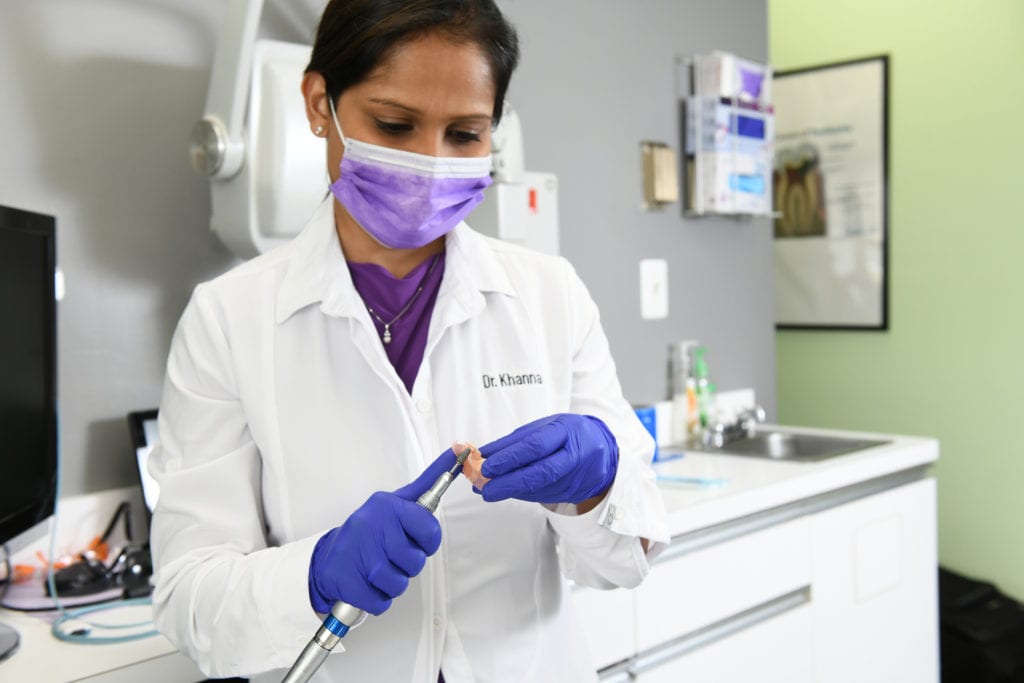
Dr. Srotalina Khanna is an experienced general dentist in Bethesda, MD. She commits to providing her patients with exceptional dental care, including being there for them when they need her most. She is happy to provide emergency dental care to patients experiencing a dental emergency. Our team will try to get you in as soon as possible to ensure you do not experience further pain or discomfort.
Do I Have a Dental Emergency?
A dental emergency is anything that needs to be taken care of immediately. For instance, if you break off a large chunk of your tooth and are experiencing significant pain, you need to get to the dentist’s office right away. If you have a small chip in your tooth that you didn’t even feel, that can wait for your next appointment.
One of the biggest indicators of an emergency is tooth pain, particularly sharp or sudden. A knocked-out tooth in an adult is always an emergency as well. Your tooth is more viable for replacement within the immediate time frame following its falling out. Bleeding is always worrisome, especially if there’s a significant amount. It’s usually an indication of trauma that has occurred.
Infections are an emergency that may be harder to notice. Often, you don’t have very visual symptoms. You’ll likely experience a throbbing pain that seems to spread, some swelling around a particular tooth, or a fever. Infections aren’t something you want to let worsen. Infections can spread farther in your body, making it not just an oral health problem, but an overall one.
Common Dental Emergencies
Dental emergencies can cause pain, bleeding, or damage unexpectedly. It’s important to know what constitutes a dental emergency and what you can do when it happens. There are steps you can take to help the situation before we can see you in the office.
Severe Toothache
You can experience tooth soreness normally, but if you get sudden or intense tooth pain, it’s something that raises concern. A severe toothache can mean you have an infection, abscess, or tooth decay. It can be hard for you to determine what the cause is. A professional needs to examine the tooth and diagnose what’s causing the pain.
If you have severe tooth pain, over-the-counter painkillers like ibuprofen can help tame the pain until you’re able to come into the office. Don’t put aspirin directly on gum tissue, as it can burn it. If you experience swelling, a cold compress can help manage it.
Knocked-Out Tooth
Knocking out a tooth can be one of the scariest dental emergencies, but it’s important to try and stay calm and not panic. Find the tooth if you can. Pick it up by the crown and avoid touching the root if possible. Gently rinse off the tooth, but don’t scrub it or remove any tissue. Place it in a cup of saliva or milk to keep the tooth viable for as long as possible.
Bring it to our office as soon as possible. We’ll determine if we can replace it in your mouth. If not, we have multiple tooth replacement options to complete your smile again.
Cracked or Broken Tooth
If a small, cosmetic chip comes off your tooth, that’s not something we need to see right away. Larger broken chunks, however, are an issue. Even a small break can expose sensitive dental nerves, causing pain and leaving them vulnerable to infection.
If you can, retrieve the piece of the tooth that broke up. Gently rinse your mouth out and apply a cold compress to that area. Don’t chew on that side of your mouth until you get seen in our office. You want to minimize anything coming into contact with the sensitive inner tissue of the tooth.
Broken or Lost Dental Restoration
A dental crown or filling cracking or falling out exposes sensitive soft tissue inside the tooth, causing pain and putting the tooth at a higher risk of infection. Try to retrieve the crown or filling that fell out and bring it with you to our office. Most likely, we’ll replace the restoration with a new one.
If it’s a bridge or denture that breaks, try to pick up all of the pieces and bring them with you to your appointment. The state of them will determine if we’ll repair or replace the restoration.
Abscessed Tooth
If you’re experiencing severe dental pain, there may be some indicators that an abscess is to blame. You may have a bad taste in your mouth, swelling, or a fever, all of which indicate infection. An abscess requires immediate treatment because the infection can spread to other areas of the body. Professional treatment is required to fully treat the infection, though rinsing your mouth with warm saltwater can help.
Objects Stuck Between Teeth
Food particles and small objects can get stuck between teeth. Usually, they’re small, and you can remove them by flossing thoroughly. If you can’t remove it with dental floss or experience severe pain when you try, stop and call our office. Never use any sharp objects, like a knife, to try to dislodge the stuck object.
Preventing Dental Emergencies
No one wants to deal with a dental emergency. Toothaches, broken teeth, or lost fillings can be painful and scary. Even worse, they often happen during the worst times, like weekends or vacations. The good news is that many dental emergencies can be prevented.
Brush and floss every day
Caring for your teeth at home is the first step to preventing a dental emergency. Brush your teeth at least twice a day using fluoride toothpaste. Floss once a day to remove food and plaque from between your teeth. These habits keep your teeth strong and help prevent cavities and gum disease. If you skip brushing or flossing, harmful bacteria can grow and cause serious problems.
Visit your dentist regularly
Seeing Dr. Khanna for checkups and cleanings is another key to avoiding emergencies. She can find problems early, like small cavities or loose fillings, and fix them before they become serious. Regular cleanings remove plaque and tartar that brushing can’t reach. Most people should visit the dentist every six months, but our dentist may recommend more frequent visits if you’re at higher risk for dental problems.
Protect your teeth from injury
Many dental emergencies happen because of accidents. Wear a mouthguard to protect your teeth from getting chipped or knocked out if you play sports. If you grind your teeth at night, ask Dr. Khanna about a night guard. Grinding can wear down your teeth or cause cracks over time. Don’t use your teeth as tools to open packages or bite hard objects like ice or pens—this can also lead to broken teeth.
Watch what you eat and drink
Your diet affects your dental health. Sugary snacks and drinks can lead to cavities, which may turn into painful infections if left untreated. Sticky or hard foods can also damage your teeth or dental work. Try to eat a healthy diet with lots of fruits, vegetables, and water. Rinse your mouth with water after eating sugary foods if you can’t immediately brush.
Listen to your mouth
If you feel pain, notice swelling, or see changes in your gums or teeth, don’t ignore it. These are signs that something may be wrong. Getting help early can prevent a small issue from turning into an emergency.
Frequently Asked Questions
Dental emergencies can happen at any time, causing pain and stress. Knowing what to do in these situations can greatly protect your teeth and oral health. Quick action is key, whether it’s a broken tooth, a severe toothache, or a lost filling. Here, we answer common questions about dental emergencies, helping you understand when to seek urgent care and how to manage pain until you see a dentist.
What should I do with a knocked-out tooth?
If your tooth is dislodged from your mouth, pick it up by its crown, avoiding touching the root. Place the tooth in a cup of milk or water to maintain moisture. Then, head to the dentist’s office. Knocked-out teeth may be reattached if treated promptly.
Why do I have a toothache?
Toothaches occur for multiple reasons. Many toothaches result from cavities and tooth decay, which irritate the tooth and cause pain. Additionally, toothaches may signify that you have a crack or chip, leading to increased sensitivity. Because there are many causes for toothaches, a dental professional must evaluate your tooth to properly diagnose its cause.
How soon should I see a dentist?
If you suspect you are experiencing a dental emergency, it is best to see a dentist immediately. The longer you wait to address dental pain or discomfort, the more severe these symptoms may become. Additionally, the earlier you seek treatment for a dental concern, the more likely we will be able to save your natural teeth from needing costly restorative care.
Should I go to the ER if my face is swollen from a tooth infection?
Yes. If your face is swollen from a tooth infection, it is best to go to the ER. The infection may have spread to the surrounding tissue and caused swelling, which can be life-threatening.
Can the ER do anything to treat tooth pain?
If you’re experiencing tooth pain, the best thing to do is to visit our dentist as soon as possible. However, if you can’t get to a dentist right away and you’re in severe pain, the ER can provide some relief. They will give you a painkiller such as ibuprofen, which will help to ease the pain.
They will also prescribe antibiotics if they think you have an infection. However, ER doctors and nurses will be unable to fix the root cause of your dental problem, which is likely a broken or decayed tooth. For that, you will need to see a dentist.
What is a dental abscess?
A dental abscess is a painful infection that emerges inside the teeth or gums. This type of dental emergency is caused by bacteria entering the tooth through a cavity or injury. The infection leads to the formation of a pocket of pus. An abscess causes severe pain, swelling, and illness. Without treatment, an abscess can lead to serious harm to your health.
What should I do if my dental crown falls off?
If your dental crown falls off, it’s critical to take careful action. Locate the crown first, then put it away in a secure location. Refrain from reattaching it yourself. Contact us right now to make an appointment. After evaluating the situation, our dentist will either make a new crown or reattach the old one to restore your tooth.
Is a chipped tooth a dental emergency?
A chipped tooth can be considered a dental emergency. You should call our dentist right away, especially if it causes severe pain or excessive bleeding. While not all chipped teeth require immediate attention, we should check them out immediately. Dr. Khanna will assess the damage and provide the necessary treatment to prevent further complications and restore your tooth’s function and appearance.
Get Urgent Dental Care
Do you have severe tooth pain or a knocked-out tooth? Call your Bethesda, MD, emergency dentist today at 301-500-2205. If you need dental care but don’t have an emergency, request a consultation with Dr. Khanna online.