
Tooth extraction is sometimes unavoidable, whether due to decay, injury, infection, or crowding. While modern dentistry does everything possible to preserve natural teeth, there are situations where removal is the best option for your oral health. However, once a tooth is removed, it’s important to consider restoration. A missing tooth isn’t just a cosmetic issue. It can affect chewing, speech, bone health, and the alignment of your remaining teeth. There are several effective restoration options available to help you regain both function and aesthetics after a tooth extraction. Each solution comes with its own advantages and considerations, and the right choice will depend on your specific dental needs, health status, and budget.
Dental Implants
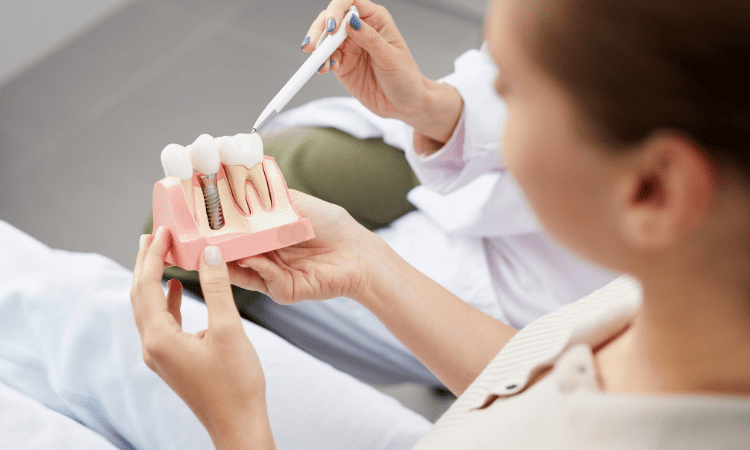
Dental implants are one of the most popular and reliable options for replacing missing teeth. A dental implant involves placing a small titanium post into the jawbone, which serves as an artificial root. Over time, the bone fuses with the implant in a process called osseointegration, creating a stable foundation for a crown.
Implants often look, feel, and function like natural teeth. They are a long-term solution, often lasting decades with proper care. One of their biggest advantages is that they help prevent bone loss in the jaw, a common issue following tooth extraction. However, not everyone is an ideal candidate for implants. You need to have sufficient bone density and good overall health. In cases where bone loss has already occurred, bone grafting may be necessary before an implant can be placed.
Dental Bridges
For patients who may not be candidates for implants, dental bridges offer another excellent restoration option. A bridge consists of one or more artificial teeth (pontics) anchored to the adjacent natural teeth or implants. The supporting teeth are typically crowned to hold the bridge in place.
Bridges could restore function and appearance and can be completed relatively quickly compared to implants. However, they do require modification of the adjacent teeth, which may not be ideal if those teeth are healthy. Additionally, bridges do not stimulate the jawbone the way implants do, so some bone loss in the area of the missing tooth may still occur over time.
Partial Dentures
Removable partial dentures are a flexible and affordable option for replacing one or more missing teeth. These consist of replacement teeth attached to a gum-colored plastic base, often held in place with metal clasps that hook onto nearby teeth. Partial dentures could restore your smile and improve chewing ability, and they are usually a good option for those who have lost multiple teeth in different areas of the mouth. They are also non-invasive, requiring no surgery. On the downside, they can feel less stable than permanent options, and some people may find them less comfortable. Regular adjustments may be needed to ensure a good fit as your mouth changes over time.
Full Dentures
If most or all of the teeth in a dental arch are missing, full dentures may be the best solution. These are custom-made sets of prosthetic teeth that sit on top of the gums and are held in place either through suction or with the help of denture adhesives. Modern dentures are more natural-looking and comfortable than in the past, but they can still take some time to get used to. They don’t provide the same bite strength as natural teeth or implants, and they don’t prevent jawbone loss. For added stability, some patients opt for implant-supported dentures, which combine the affordability of dentures with the security of dental implants.
Restorative Dentistry in Bethesda, MD
At Bethesda Family Smiles, we always strive to preserve your natural tooth structure. However, there are times when a tooth extraction is crucial to prevent worsening damage. In theses cases, we offer a range of restorative treatments that could improve your bite and smile. Contact our office today to schedule a consultation and learn more about your treatment options.